Books for the summer: light that lasts, and a place to read in
In summer, North Wales is something else entirely. The light arrives early and stays late, stretching the day out far beyond what you expected. The sea turns green and blue and silver depending on the hour. The mountains are sharp against clear skies, the estuaries glitter, and the coast feels like it belongs to whoever is standing on it. There’s a particular kind of freedom here in July and August – unhurried, wide-open, genuinely restorative – and a good book is the perfect companion to all of it.
Not a book to escape into, but one to read alongside where you are, with enough weight and beauty to match the view from your chair.
Here are three pairings we love: books that fit the season, and boltholes that bring them fully to life.
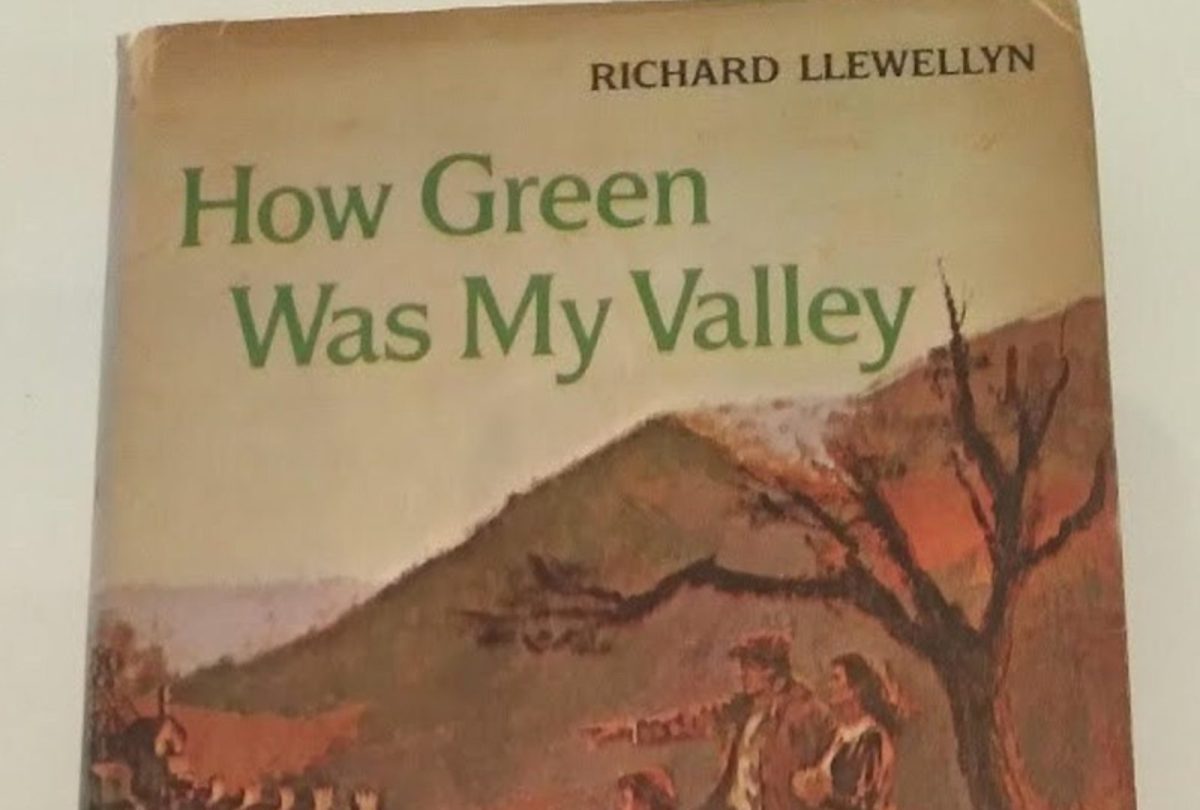
How green was my valley by Richard Llewellyn
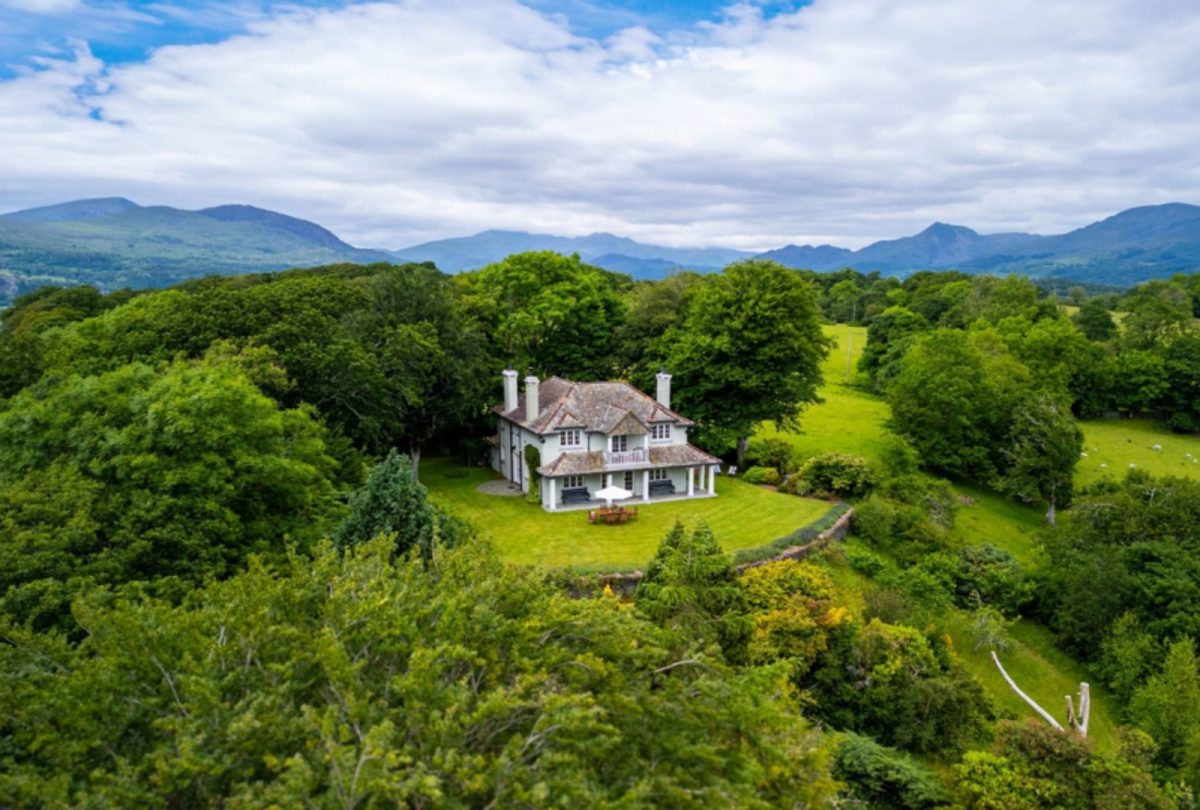
Stay at Hafod Cae Maen
There’s something about long summer days that makes you want a book with real weight to it. How Green Was My Valley is exactly that: a Welsh boy’s account of growing up in a tight-knit mining valley community, told in retrospect with deep, unhurried love for the land and the people in it.
Reading it at Hafod Cae Maen, perched above Portmeirion with the Dwyryd estuary shining below, you feel the pull of the land in a completely different register. Here it’s all open sky and sea breeze and an acre of grounds rolling down to woodland, the kind of place where summer feels abundant rather than rushed. The oak-panelled library, partly fitted by Clough Williams-Ellis himself, has big windows and a fireplace, with views across the estuary that hold your gaze between chapters. It’s the kind of room where a book about Wales settles into you differently. The mining valleys Llewellyn describes feel both distant and close, which is exactly the point.
When you’re ready to step outside, make time for the National Slate Museum in Llanberis. It brings the world of the book into vivid, physical focus – the scale of the quarries, the lives lived underground – and returns you to Hafod Cae Maen’s estuary views with a much sharper sense of what makes this landscape so layered.
The salt path by Raynor Winn
Stay at hen dafarn
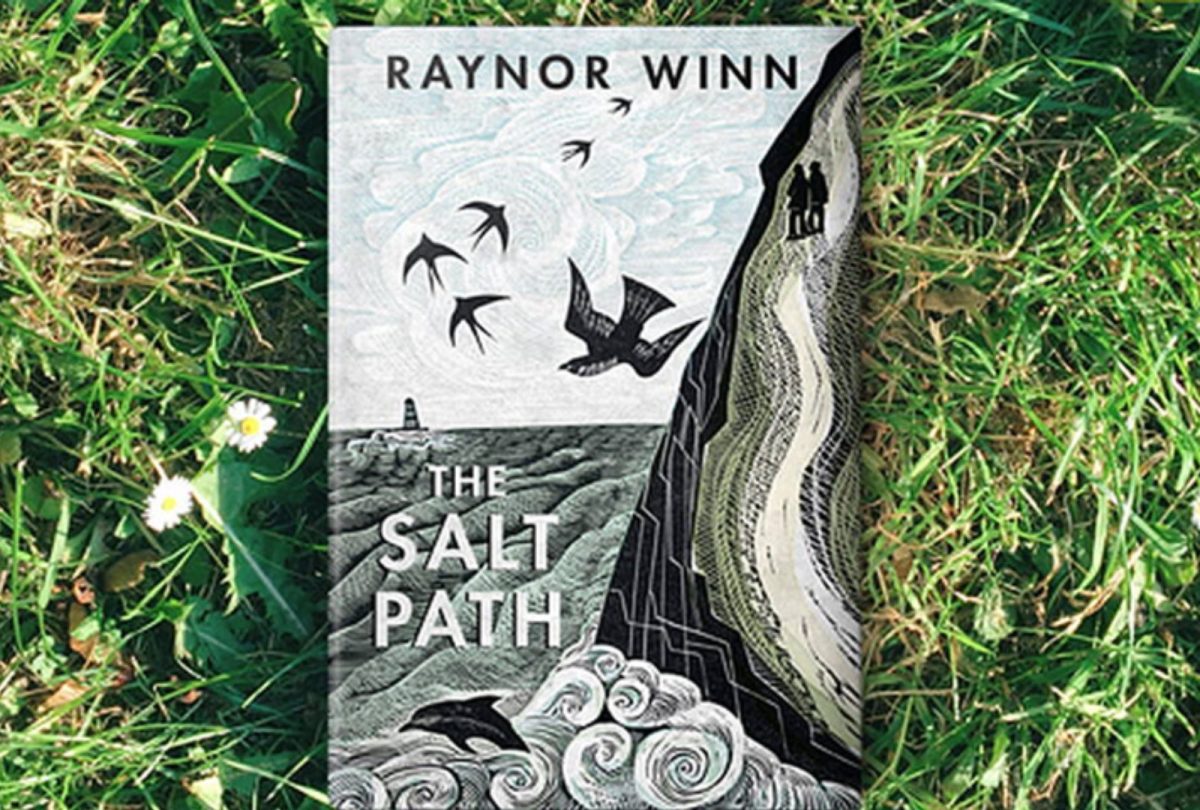
The Salt Path is a book about freedom, specifically the raw, unplanned kind. Raynor Winn and her husband lost their home and, facing a terminal diagnosis, walked the entire 630-mile South West Coast Path with almost nothing. What follows isn’t a book about loss. It’s about what happens when you live completely close to the coast – waking up to the sea every morning, reading the weather, feeling the day open up in front of you with nothing fixed. It’s exhilarating, and that feeling stays with you.
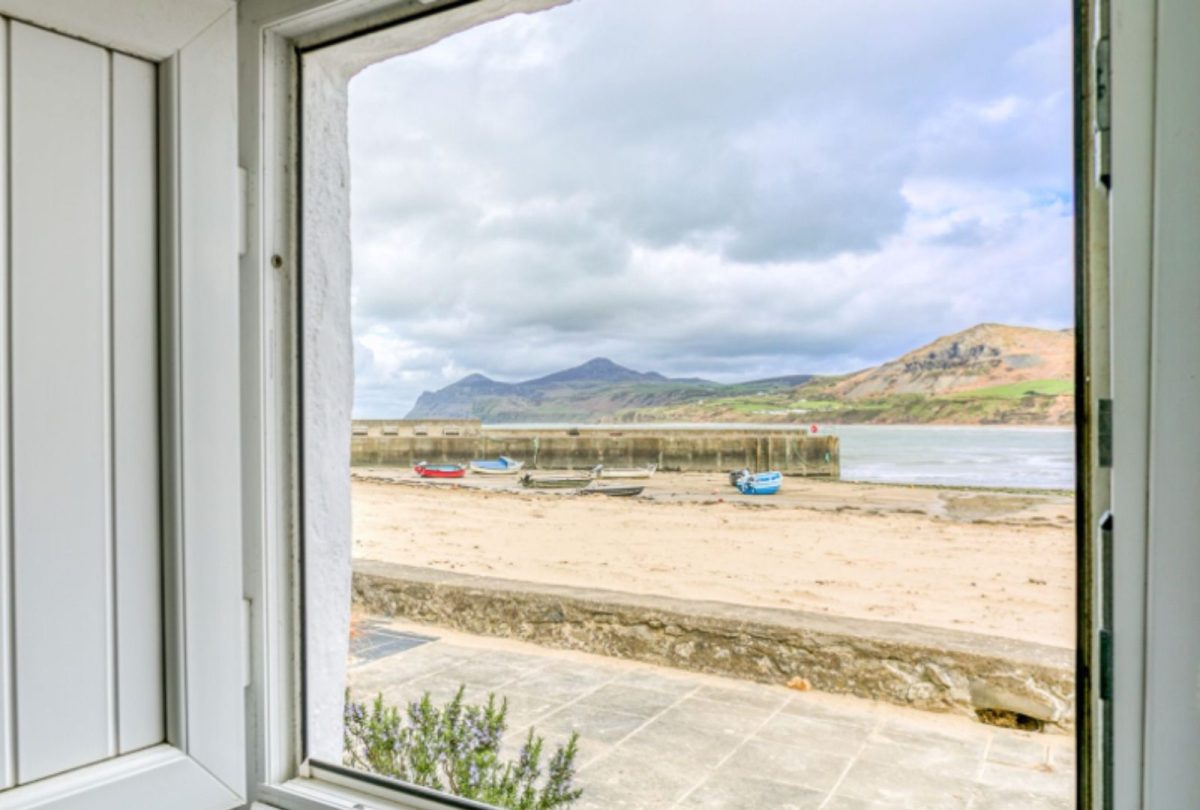
Hen Dafarn sits right on the beach at Nefyn on the Llŷn Peninsula – whitewashed, ancient, with a front patio that opens directly onto the sea. In summer, you throw the doors open and the sound of the waves comes through all evening. The light lasts until around ten. You watch the stars appear over the water and feel no particular urgency to be anywhere else. The same looseness that Winn finds on the path, the freedom of a day with no fixed shape, is right there on the doorstep.
Come back sun-tired from the coastal path or the beach, make something easy to eat, and read a few more chapters with the sea still audible outside.
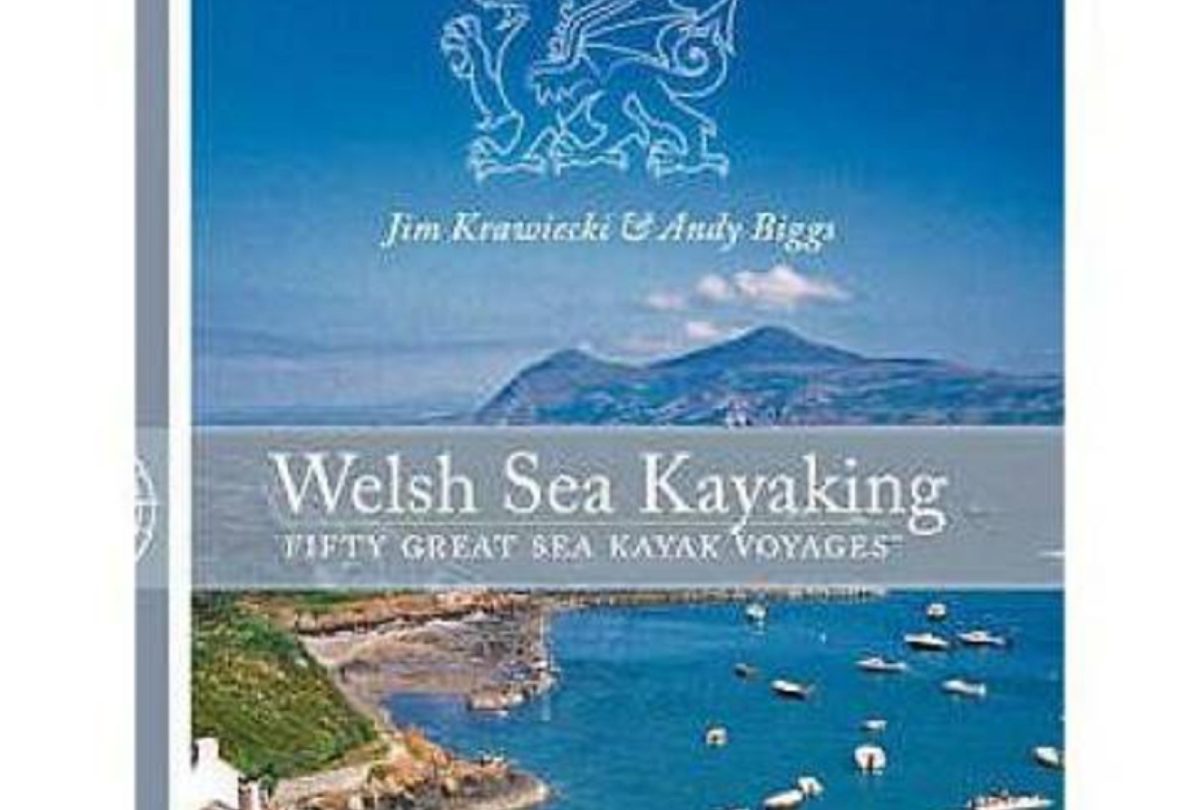
Welsh sea kayaking: Fifty-one great sea kayak voyages
Stay at Anchorage House
Not every summer day is for sitting still, and this one isn’t really a book to sit still with. It’s a working guide to sea kayaking around the Welsh coastline: routes, tides, launching points, what to expect when the wind picks up. The kind of book you read with one eye on the water.
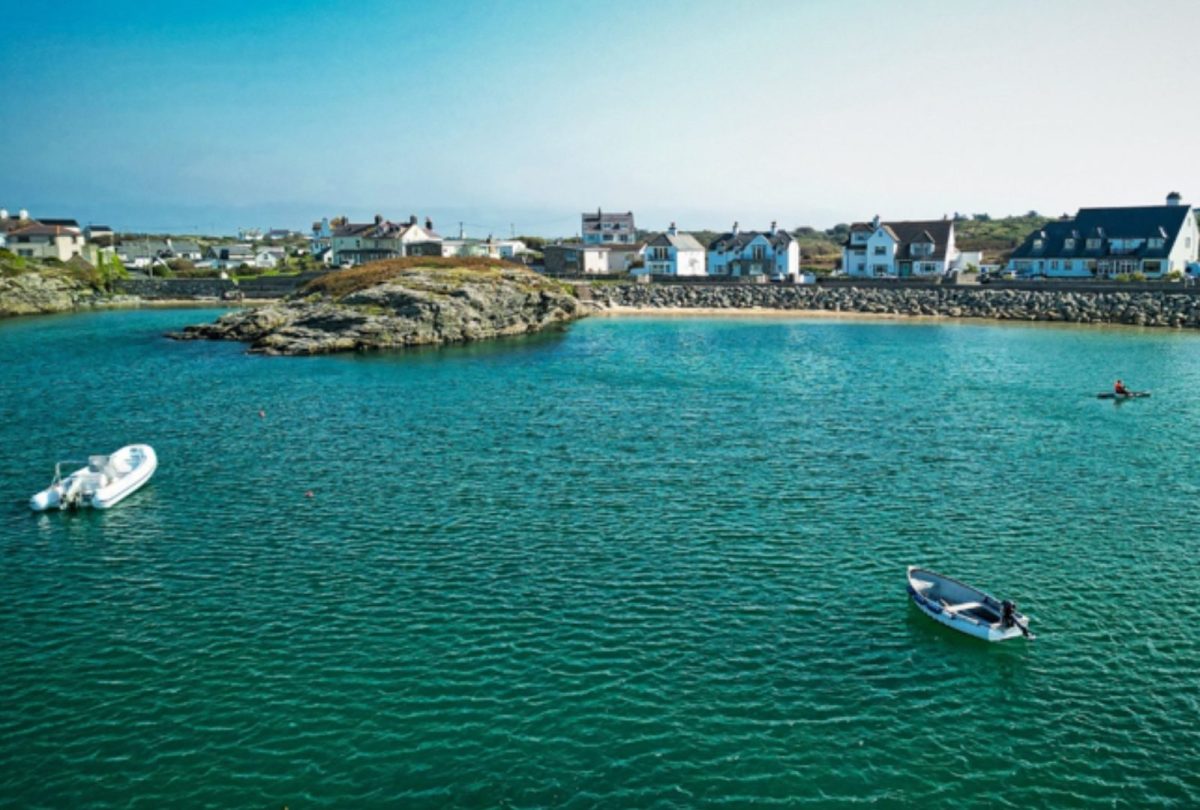
Anchorage House sits directly on the sandy cove of Porth Diana in Trearddur Bay, Anglesey, with the principal rooms looking straight out to sea. The lower ground floor is set up properly for coming and going, with purpose-built space for drying wetsuits and kit, a sauna and cold plunge pool to revive yourself after a long day out, and the sailing club right on the doorstep. This is a bolthole built around the water, not just beside it.
Spread the guide open on the kitchen table the night before, pick a route, watch the bay over breakfast to see whether conditions are right. Even on a day you decide not to go out, the book makes you look at the water differently – the currents, the headlands, what’s happening beyond the cove.
Summer here is generous with its light and its space. A good book, the right bolthole, and days that don’t run out. In North Wales in July, you really do get all three.
Why not join our Boltholes Bookclub? Sign up to our mailing list here and you’ll hear all our writing and reading inspirations first.