The Lobster Pot: Anglesey's historic seafood restaurant by the sea
There are restaurants that become part of a landscape. Places so woven into the shape of a coastline that arriving there feels less like discovering somewhere new and more like stepping into a story already in motion. The Lobster Pot is one of them.
Set above the cove at Church Bay on Anglesey’s wild north-west coast, the restaurant has been feeding locals, walkers, fishermen and holiday-goers for almost eighty years. Looking out over the Irish Sea, with the coastal path running close by, walkers drift in after afternoons on the cliffs, and fishing boats still land catches nearby just as they did when the Wilson family first began fishing these waters in the 1940s.
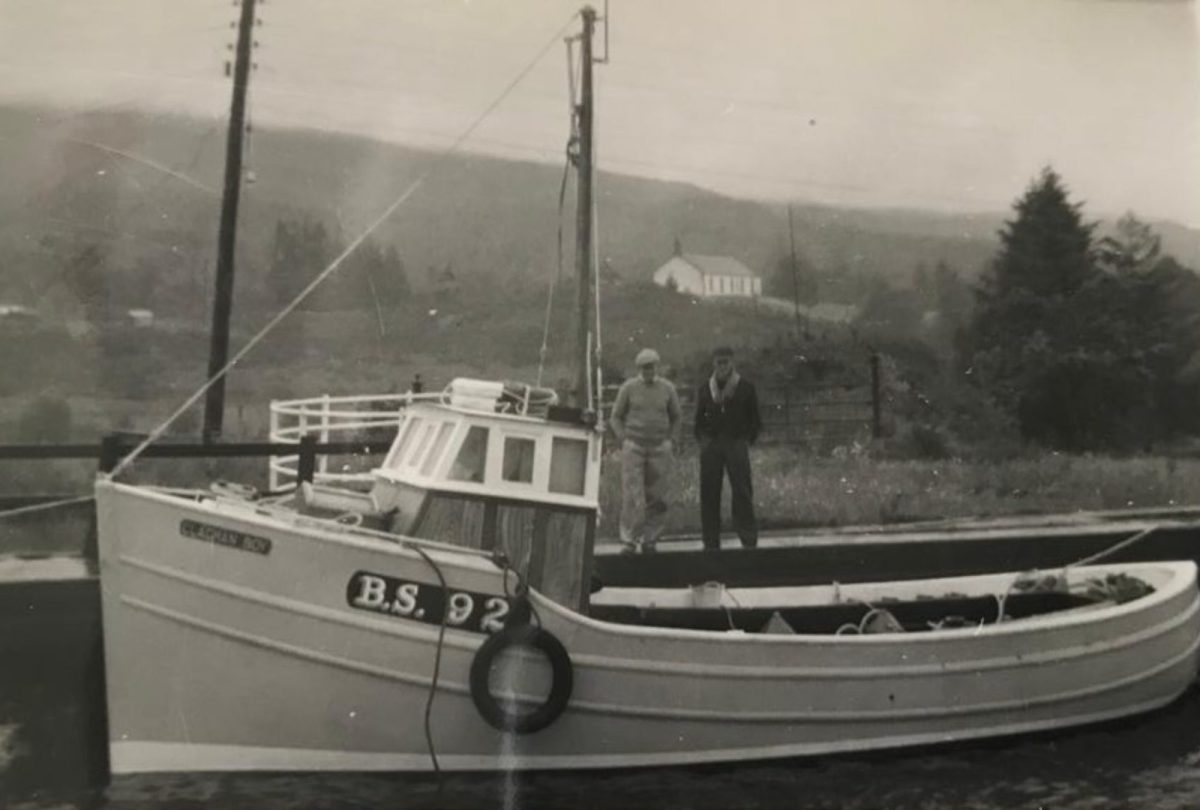
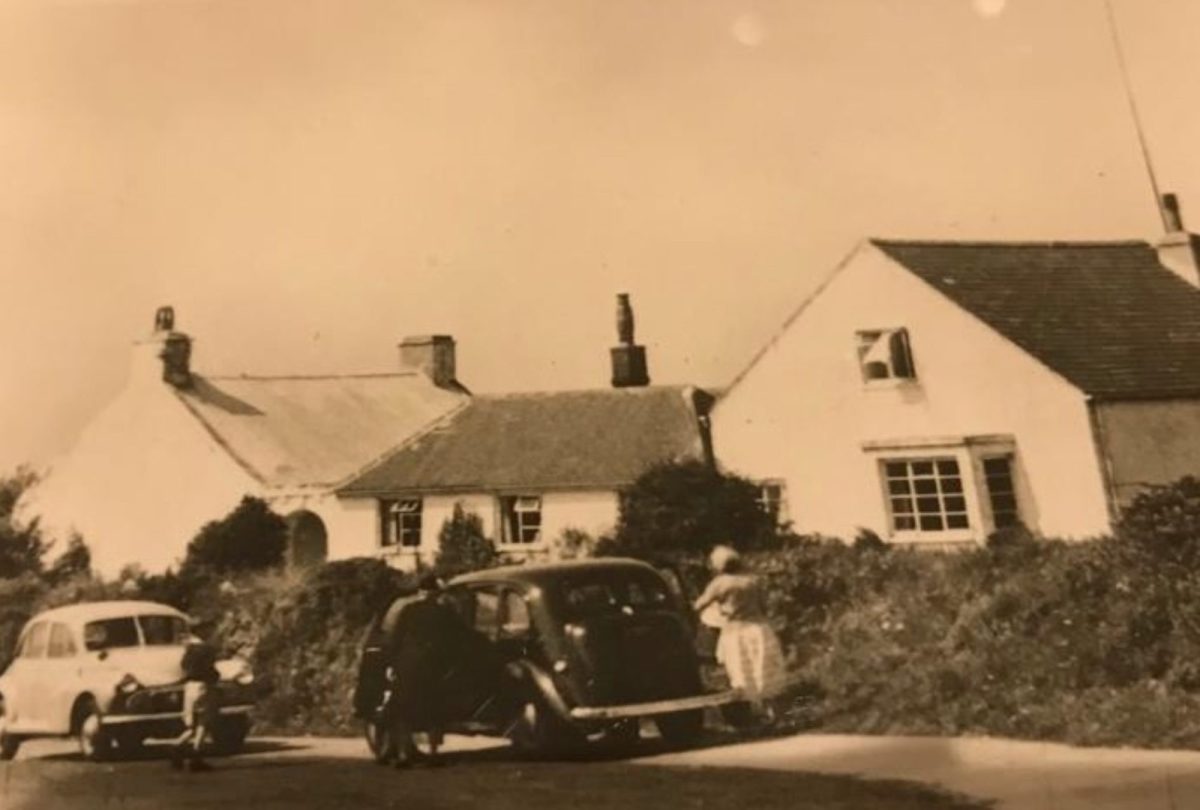
From left to right: Andrew Wilson’s first lobster boat, The Lobster Pot in 1946
And that continuity matters here.
Long before The Lobster Pot became one of the most celebrated seafood restaurants in Wales, it was simply a family holiday home called Glan-yr Afon. The story began with John Wilson, who spent his childhood summers here, and learnt to catch lobsters from the local fishermen. After the Second World War, he and his wife Freda started serving lobster teas from the house, cooking what had been hauled from the sea only hours before. With that, word spread and so what began as a small family venture, resulted in a restaurant emerging, soon becoming the renowned The Lobster Pot.
Today, those origins are still in place, with The Lobster Pot remaining in the same family. Julie Hill, who now runs the restaurant, is John and Freda’s granddaughter, while her brothers Tristan and Graham continue the fishing tradition offshore, supplying much of the shellfish served in the kitchen. The connection between restaurant and coastline has never really been broken, with the journey from sea to plate being measured in metres rather than miles.
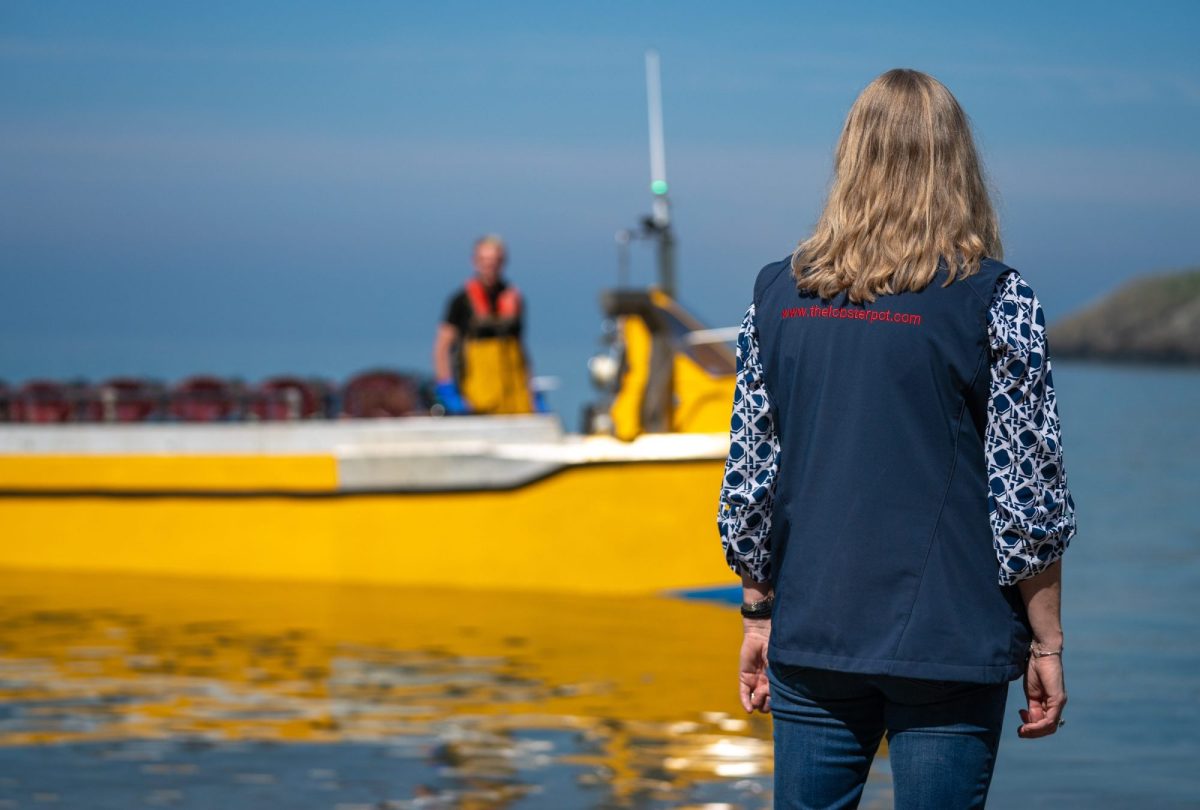
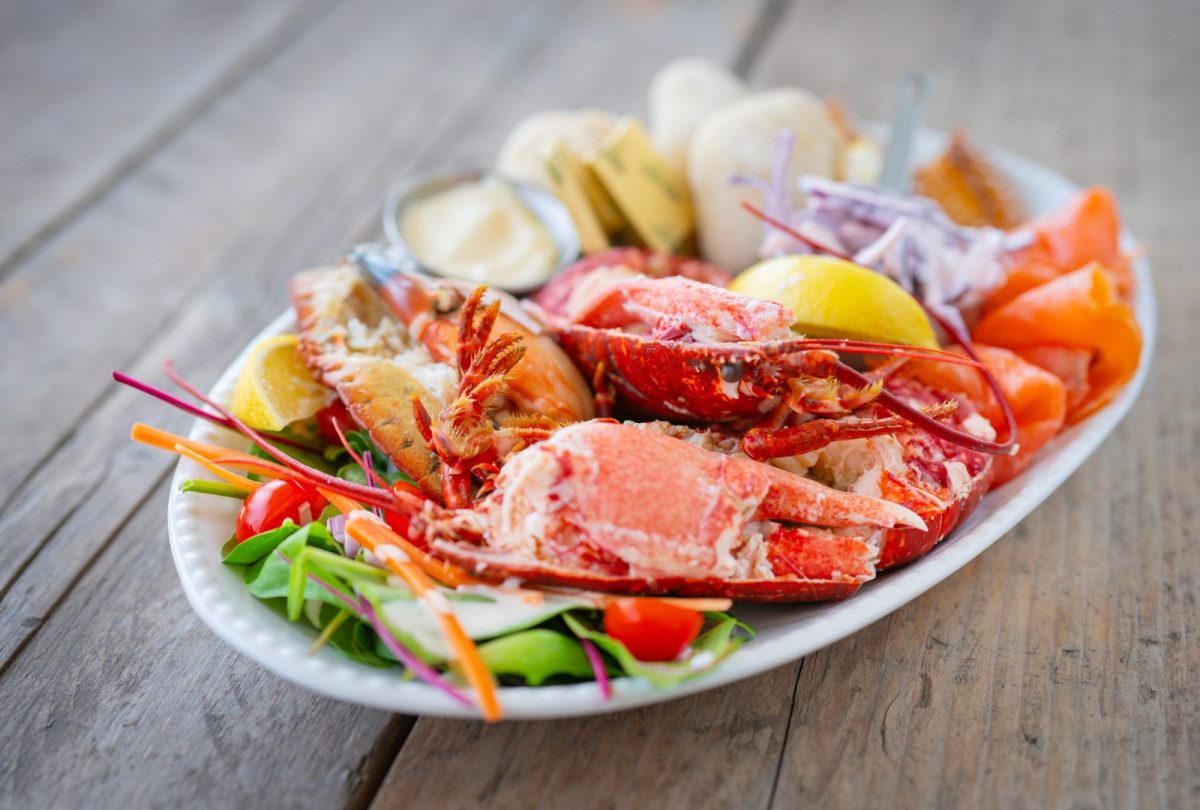
From left to right: Julie waiting for supplies, lobster and crab
That closeness to the coast shapes everything; the menu changes with the catch and the seasons, and while seafood takes centre stage, there is no sense of formality or fuss about it. Instead, there is warmth. Confidence. A feeling that good ingredients do not need overcomplicating.
The lobster dishes have become something of a pilgrimage for returning visitors. Lobster Thermidor remains a firm favourite, rich with white wine, cream and mustard, while the Lobster Mornay folds Welsh cheddar into the sauce for something truly comforting. On other evenings, there may be langoustines straight from the boats, scallops seared in garlic butter or local crab baked beneath a parmesan gratin.
Yet perhaps part of The Lobster Pot’s enduring charm is that it never feels exclusive to seafood devotees alone. Julie jokes that visitors would struggle to find a better steak elsewhere, and the kitchen gives equal care to Welsh beef, locally sourced meat and seasonal produce from surrounding farms and suppliers. It is generous food, made for long suppers, another glass of wine and conversations that continue long after the plates have been cleared.
And with generations of the same family having known these waters and having worked in the restaurant, that history gives the place a sense of assurance; there is no need for theatrics when the foundations are already so strong.
Inside, the restaurant balances its history with an easy modernity. Guests gather for drinks in the bar before dinner, while the lounge and fireplaces make colder evenings especially inviting. In summer, the terrace becomes one of the loveliest spots on Anglesey to watch the sun sink into the sea. Nothing feels hurried. People settle in for the evening properly here.
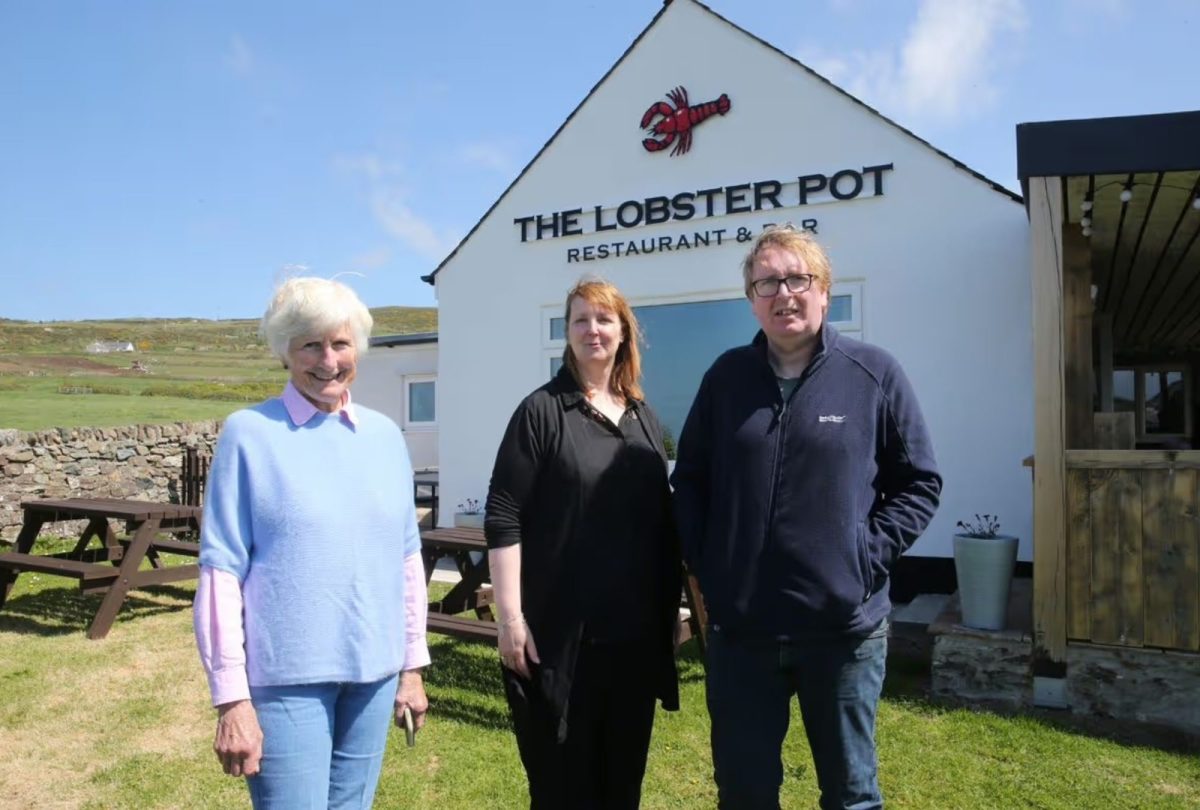
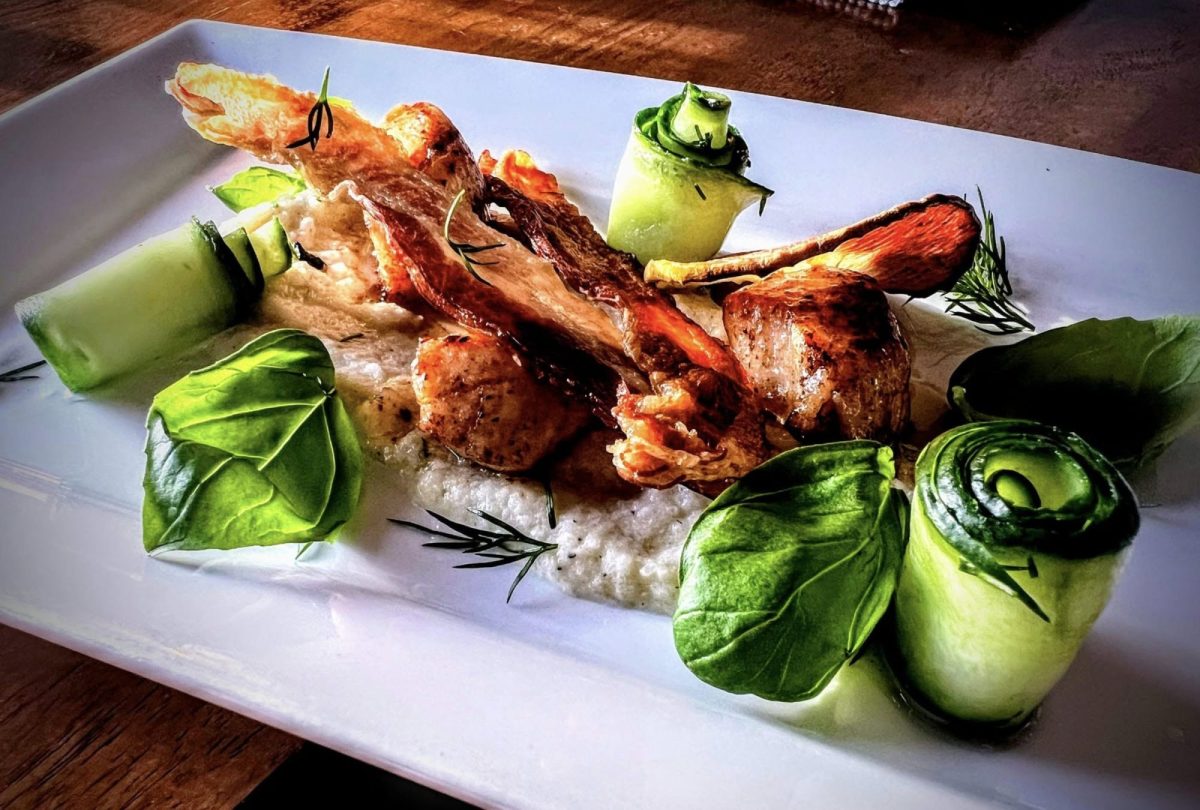
From left to right: Lindy Wood, having taking over the reins, with Chef Steff now heading up the kitchen, scallops on cauliflower puree
The surrounding coastline is well worth exploring too. Church Bay sits within an Area of Outstanding Natural Beauty, with dramatic coastal walks, hidden coves and wide sea views all close at hand. Some visitors arrive after hours on the coastal path, others after afternoons spent kayaking or swimming in the bay. Opposite the restaurant sits Swtan Heritage Museum, a beautifully restored thatched cottage where the last resident once supplemented his income by catching lobsters for The Lobster Pot itself, selling them for half a crown a pound. Few places carry their history quite so lightly, or quite so naturally.
This year marks a particularly meaningful chapter in the restaurant’s story as The Lobster Pot celebrates its eightieth anniversary. Now back in family hands, with Julie Hill leading the restaurant and Chef Steff returning to the kitchen after decades as part of its story, there is a strong sense of continuity running through the place. The fireplaces may be new and operations modernised, but the spirit of the restaurant remains much the same as it always was.
That is ultimately what makes The Lobster Pot memorable. Not only the seafood, though it is exceptional, or the setting, though Church Bay is one of the most beautiful corners of Anglesey. It is the feeling that this restaurant genuinely belongs here, of sitting somewhere shaped by weather, family, hard work, the coastline and the fishing heritage that still surrounds it today.
Eighty years since those first lobster teas were served from Glan-yr-Afon, the connection between sea, family and table remains unbroken.
For those tempted to turn supper at The Lobster Pot into something longer, Bwthyn Bach sits just up the hill from the bay itself. With sea views, the coastal path close by and the restaurant only a short walk away, it makes an ideal base for a slower few days on this corner of Anglesey’s coastline.
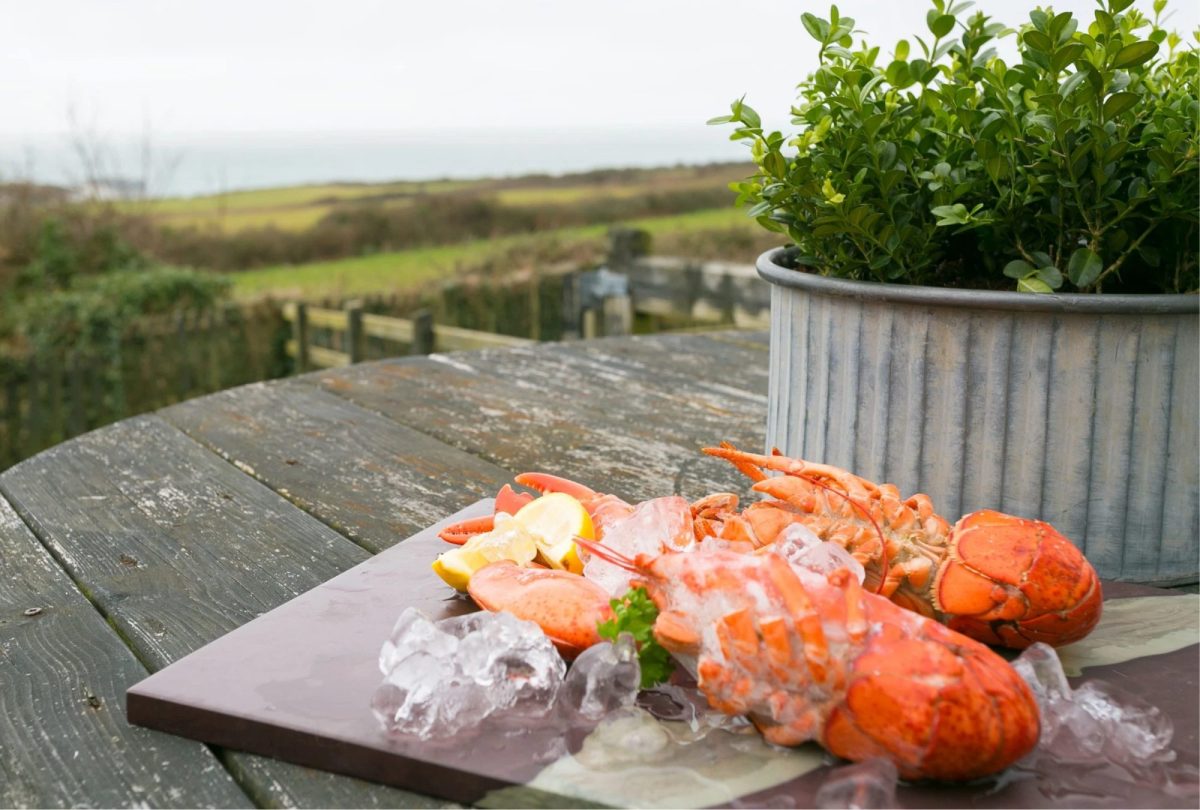
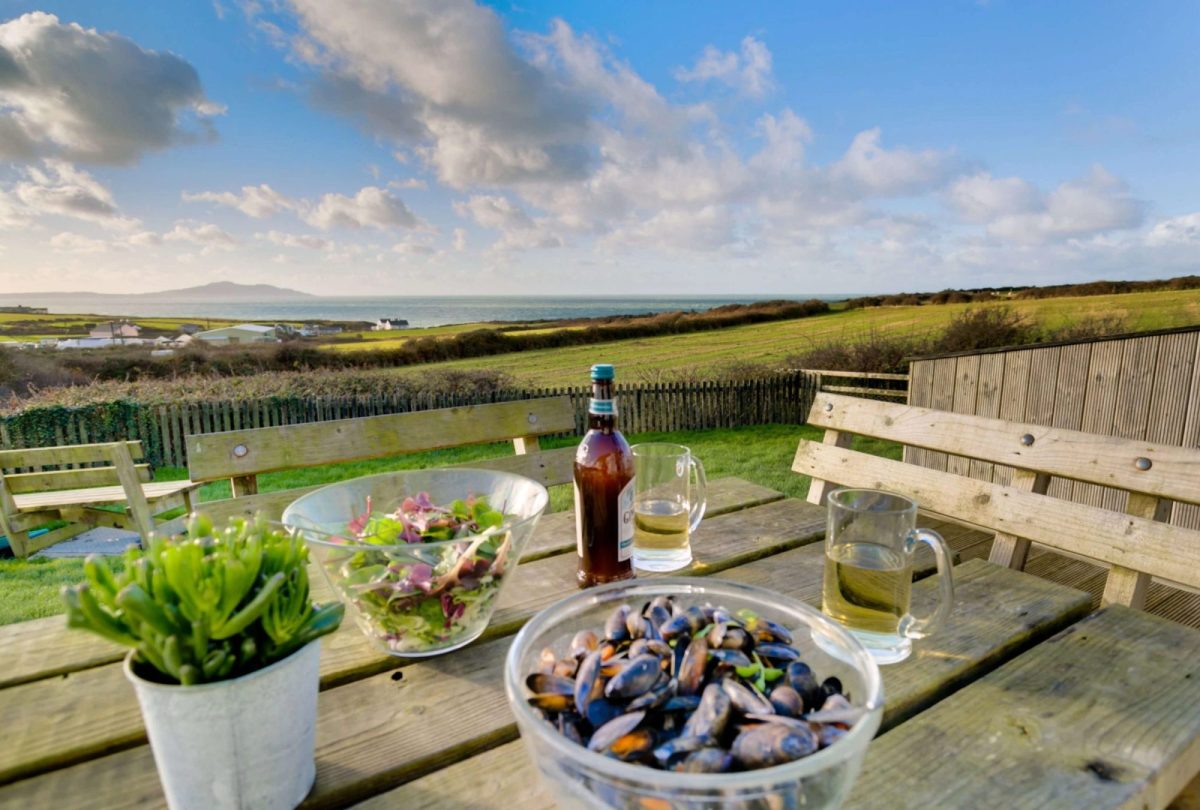
From left to right: Lobster at Bwthyn Bach, mussels and sea views over Church Bay from Bwthyn Bach.