Cwt Tatws: From potato shed to coastal sanctuary
“You know it’s Welsh for potato shed, right?” Daloni asks, a twinkle in her eye. And she’s not kidding. Step inside Cwt Tatws, perched just a few hundred yards from Towyn beach on the northern Llŷn Peninsula, and you’re walking through centuries of history. What looks today like a cosy shop and café began life as a simple stone building, built on a family farm generations ago to store potatoes harvested from the surrounding fields.
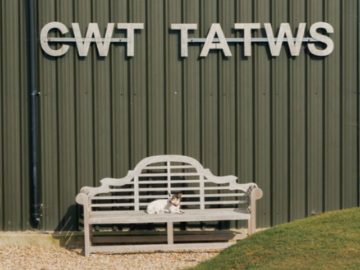
Daloni’s family are the fifth generation here, and the story of Cwt Tatws is quite literally rooted in the land. The original stone building, still standing just a few steps away, has worn many hats over the years. In the mid-20th century it became a tiny ice-cream and beach shop, run by Daloni’s mother-in-law until 1986. After years of being left empty, the building was crumbling, its character threatened. But Daloni and her husband Will refused to let it vanish. “It was going to fall to rack and ruin,” she recalls. “This little building was shouting at us.”
Seventeen years ago, with three children and a desire to be closer to home, the young family took the plunge. They reopened the shop, keeping the name Cwt Tatws, a nod to the building’s humble origins, and began using a small adjoining shed nearby. Over time, that shed evolved and expanded, eventually becoming the home of Cwt Tatws as it is today: a shop and café able to open year-round, support local staff, and act as a steady anchor for the community. The original stone building, lovingly preserved, now sits just ten steps away and is used for storage, still very much part of the story.
Every stage of growth was approached with care and respect for the past. The scale was kept intimate, and the spirit of the original building was carried forward, embracing quirks rather than polishing them away. Low ceilings, uneven floors, and softly rounded corners reflect a way of building that long predates precision tools. “I love the history of things,” Daloni says. “Every crack, every curve has a story.”
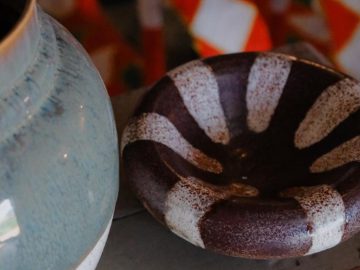
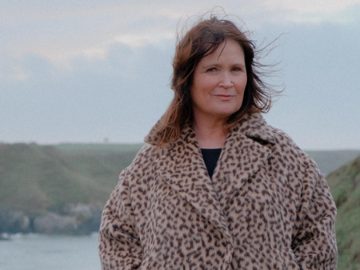
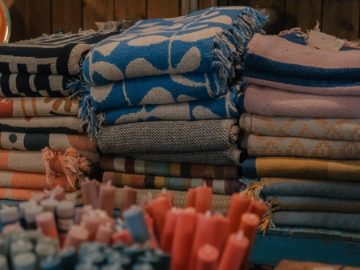
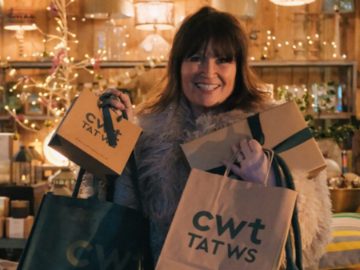
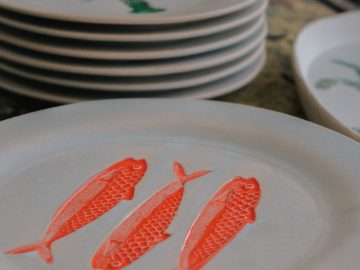
Inside, the shop feels like a natural evolution of the space rather than a modern intervention. Daloni’s love of interiors, born from a background in set and costume design, guided the selection of furniture, art, and décor. Local Welsh artists, fair-trade furniture, and carefully curated clothing from British and European designers all live harmoniously together. There’s an honesty to it, nothing feels staged or flashy, but everything is deeply considered.
The café grew from the same philosophy. Using Poblado coffee roasted in Nantlle, Daloni serves a menu that changes with the seasons but always celebrates local produce: Welsh roasted ham with garlic potato salad, sweet potato soup, caramelised onion quiche, and fresh salads. The focus is simple, fresh, and deeply satisfying, exactly what you’d expect from a shop and café that has grown from its community rather than being dropped into it.
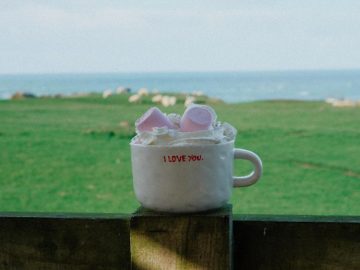
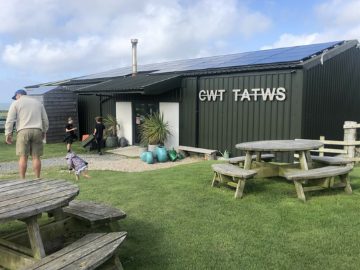
Yet the magic of Cwt Tatws isn’t just in the food or the interiors; it’s in the sense of place. The building sits just a stone’s throw from the beach, where generations have walked, played, and fished. From the café, you can catch the salt tang of the sea, hear the birdsong in the garden, and feel the rhythm of a small community that has grown up around this very spot. Walkers returning from the Welsh Coastal Path stop in for coffee. Families linger over lunch. Locals browse the shop and meet friends.
Daloni has kept the soul of Cwt Tatws alive through every decision, from preserving old stonework nearby to layering the current space with soft lighting, warm textiles, and objects that invite curiosity. Local makers are regularly hosted: Welsh florists craft dried wreaths, designers personalise enamel gifts, and seasonal fairs showcase Welsh cheeses, chocolates, and spirits. The shop is at once a history lesson, a boutique, and a community hub.
The family’s love for place and preservation extends beyond the walls of Cwt Tatws. Just a short distance away, they also own Hen Felin, a beautifully restored former mill that now welcomes guests as a Boltholes & Hideaways retreat. True to the same thoughtful approach, Hen Felin balances heritage with comfort, offering a place to stay that feels deeply rooted in its surroundings. And the story doesn’t stop there. Another of the family’s boltholes, Lon Las, has opened its doors, continuing their commitment to breathing new life into old buildings and sharing this special corner of the Llŷn Peninsula with those who value slow stays and meaningful places. A visit to Cwt Tatws feels like stepping into a story where time slows down. Daloni’s advice is simple: “Don’t rush your day here. Just go down a gear.” Walk along the beach, sip a perfect coffee, pick up a carefully chosen gift, breathe in the sea air. The building itself, once just a potato shed, has become a sanctuary for anyone who passes through, a place that carries the past while embracing the present, quietly insisting that life can be a little slower, a little richer, and infinitely more beautiful.