The story of Plas Madoc: history, restoration and a lifetime connection
Long before Ieuan Edwards owned Plas Madoc, he was climbing its trees and filling his pockets with conkers there as a boy.
Back then, the estate belonged to Captain Priddle Higson, who would appear over the hill in his white Volvo estate car chasing local children from the grounds. Ieuan still remembers the sudden panic of scattering across the fields with his friends, pockets heavy with conkers gathered beneath the estate’s enormous trees.
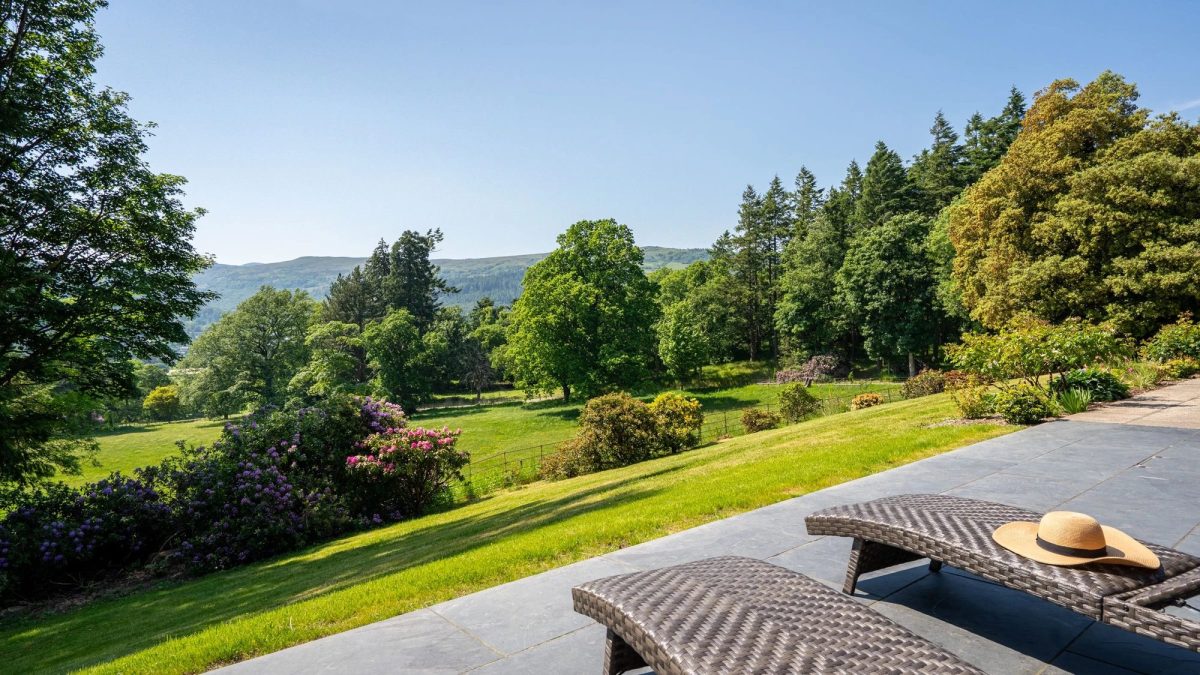
It is the sort of memory many people recognise instantly. Childhood afternoons that seemed endless at the time, places that felt vast and mysterious, and the strange realisation years later that those landscapes have stayed with you all along.
Because Plas Madoc is not somewhere Ieuan arrived at accidentally. His connection to the estate stretches back more than fifty years, long before he ever imagined that he and his wife, Cath, would become its joint custodians.
And custodians is very much how they see themselves.
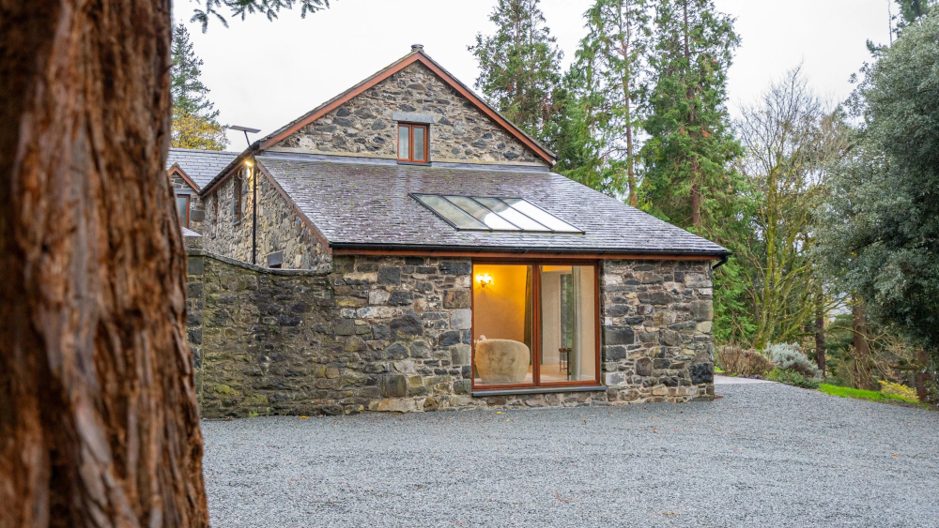
Today, Plas Madoc is home to beautifully restored boltholes including the Coach House and the Lodge, but the estate itself carries centuries of history. A grand 26-bedroom mansion once stood at its centre before being dismantled in the 1950s and shipped to America. Some of its intricate woodwork was thankfully preserved and later found its way to Caernarfon Castle, while the former coach house and stable block remained behind, eventually becoming the places guests stay in today.
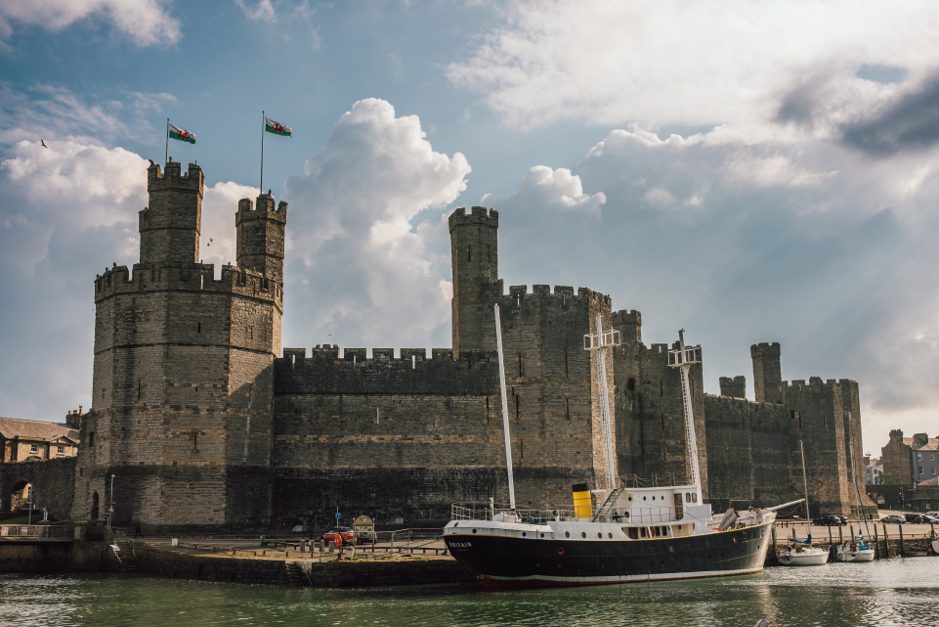
The landscape itself still carries traces of those earlier years. Sweeping lawns, specimen trees and winding woodland paths remain threaded through the estate, with views stretching across the Conwy Valley towards the Gwydir Forest and the mountains beyond. Some of the trees here are among the largest in Wales, towering above the gardens and woodland belts that have shaped the estate for generations.
Ieuan’s route to owning Plas Madoc feels almost improbable in hindsight. Years after buying a nearby property from the Higson family, he learnt the wider estate would eventually come up for sale. Knowing what the place meant to him, he prepared everything long before it officially reached the market and secured it within hours of the listing appearing online.
Little did he imagine, as a child gathering conkers beneath those trees, that he would one day return with Cath and become jointly responsible for protecting the place itself.
And there is a strong sense of responsibility running through everything he says about the estate.
For Ieuan and Cath, restoration has never been about imposing something new onto the landscape. It has been about understanding what was already there and allowing it to breathe again, with each bringing something different to the process.
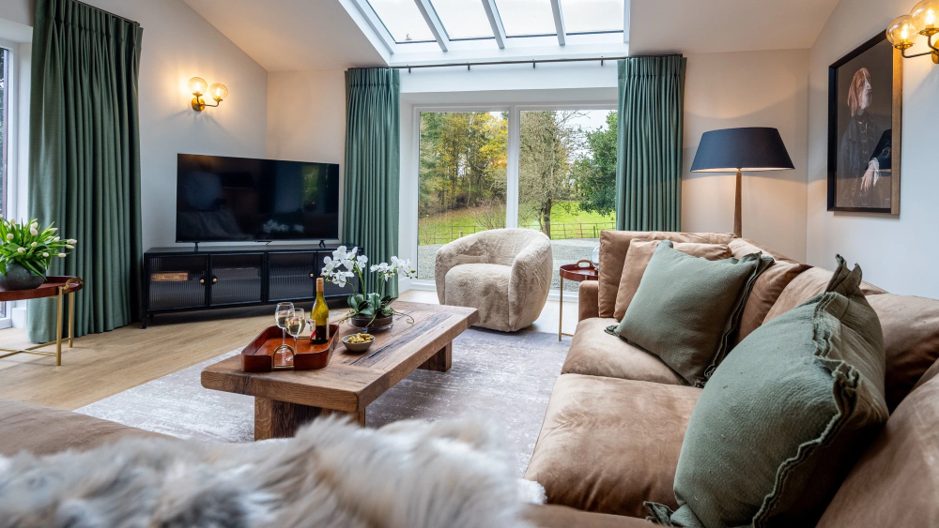
Inside the Coach House, original character sits alongside contemporary comfort. A vast atrium-style hallway floods the interior with light through glass roof panels overhead, while tactile materials and earthy tones soften the scale of the building. Much of the interior vision is Cath’s, from the rustic wooden dining tables and suede sofas to the metal-and-wood details inspired by traditional coach houses and calm green shades that reflect the landscape outside. Her eye for interiors, alongside her role in much of the wider decision-making, has been instrumental in shaping the character of Plas Madoc as it is today.
The result feels luxurious, but never in an overly polished or showy way. Instead, there is warmth to the spaces. Proper comfort. Rooms designed for muddy boots by the door, long meals around the table and evenings spent beside the fire after days outdoors.
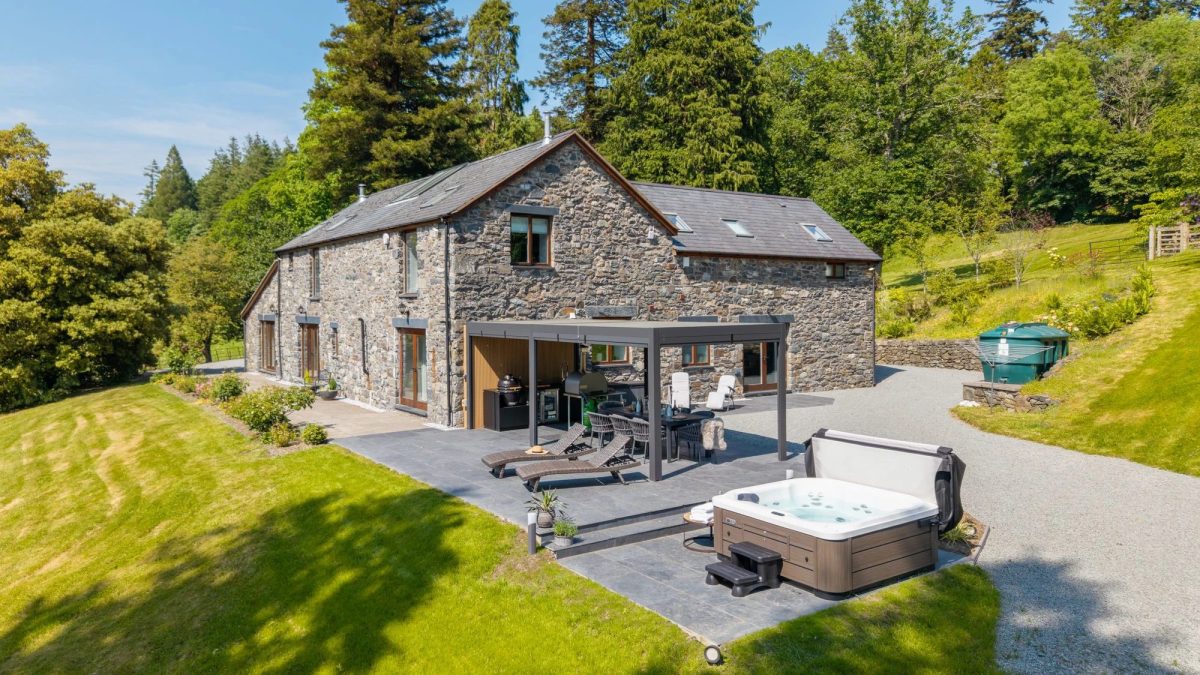
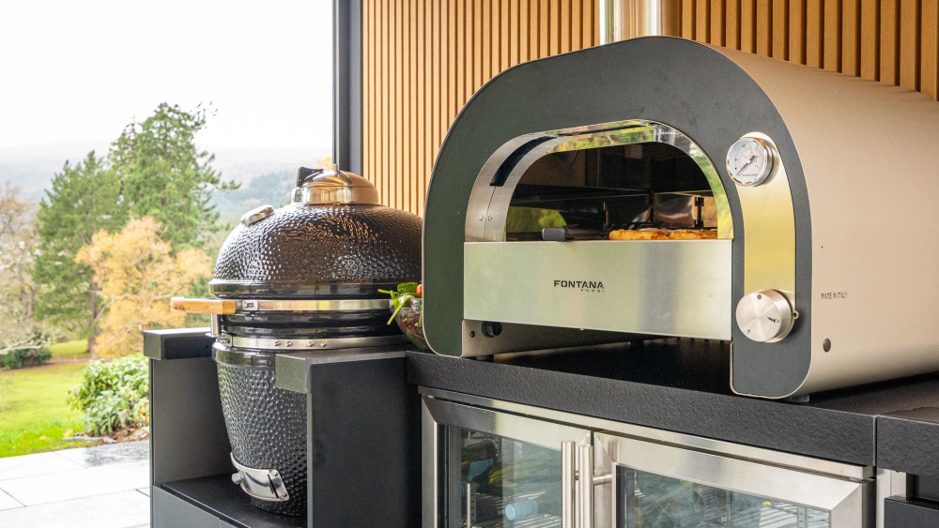
The outdoor spaces are just as considered. At the Coach House, a large terrace looks out across the valley, complete with a hot tub, outdoor kitchen, Big Green Egg barbecue and Italian-made pizza oven beneath a pergola with heating and an opening roof. Nearby, the old grass tennis court still forms part of the gardens, while vegetable planters and herbs encourage guests to cook with produce gathered only moments before dinner.
The Lodge, however, may be the estate’s best-kept secret. Ieuan describes it as his personal favourite, and it is easy to understand why. With its tall ceilings, original window bays, gas stove and private courtyard garden complete with its own hot tub, it feels deeply connected to the history of the estate itself.
Great care has been taken to preserve the original architectural details while subtly enhancing the landscape surrounding it. One particularly simple decision transformed the atmosphere entirely. By removing a section of rock outside the kitchen window, sightlines opened towards one of the estate’s extraordinary trees. Now, standing at the sink, guests look directly onto its huge sculptural branches.
It is a small detail, but one that says a great deal about the approach taken throughout Plas Madoc. The landscape is never treated as separate from the interiors; the outside is always being drawn back in.
That same philosophy extends across the wider estate. Woodland walks weave through the grounds looking towards the Gwydir Forest. In spring, the estate fills first with daffodils, then bluebells. There are plans to restore the historic pond for wild swimming in the future, while fruit trees and an on-site beekeeper all reinforce the estate’s connection to nature, food and the seasons.
And throughout it all runs Ieuan and Cath’s shared belief that places like this should be looked after rather than simply owned. Revenue generated through the accommodation is intended to be reinvested back into the estate itself, allowing the restoration and stewardship of the land to continue long into the future.
Perhaps that is what gives Plas Madoc its atmosphere. Not perfection, nor extravagance, but care, for the buildings, the landscape, the history and the experience of the people staying there.
After all, few estates begin with a boy stealing conkers beneath the trees and lead, decades later, to Ieuan and Cath becoming joint custodians of the the estate that first captured his imagination.