The Canopy is Turning: Why September is the Best Time to Walk Betws y Coed?
By September, Betws y Coed exhales.
The summer crowds have drifted home, the cafés feel unhurried again, and the first hints of amber begin to weave their way through the woodland canopy. The River Llugwy runs with renewed energy after late-summer showers, mornings arrive crisp enough for knitwear, and afternoons remain warm enough to linger on the trail a little longer.
It is no surprise that Betws y Coed has long been known as the gateway to Eryri. Sitting at the meeting point of rivers, forests and mountains, it is one of those rare villages where remarkable walks begin almost the moment you step outside. Whether you’re looking for an easy woodland circuit or a full day’s adventure, September offers some of the finest walking conditions of the year.
Here are three walks that show Betws y Coed and its surrounding landscapes at their very best.
Llyn Elsi Circular
6.4km | Around 2–2.5 hours
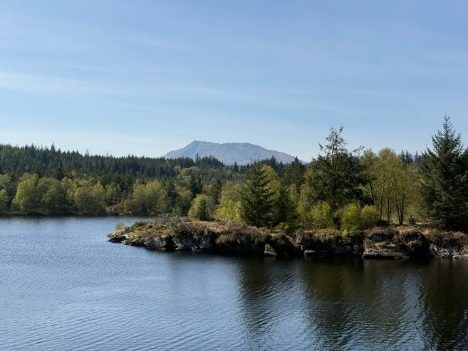
If there is a walk that captures the essence of Betws y Coed, this is surely it.
Beginning behind St Mary’s Church, the path climbs steadily through Gwydyr Forest, where towering conifers and native woodland create an ever-changing tunnel of greens beginning to soften into gold. Along the way, small streams tumble through the forest floor, while occasional benches invite you to pause and look back across the rooftops of the village below.
The climb is gentle enough to enjoy without hurry, and before long the trees begin to open, revealing Llyn Elsi sitting peacefully above the village. On calm September mornings, the lake is still, reflecting the surrounding woodland and the distant peaks of Eryri beyond. Walk the shoreline and you’ll find quiet corners where the only sounds are birdsong, the breeze moving through the trees and the occasional ripple across the water.
Stay nearby: Bryn Afon
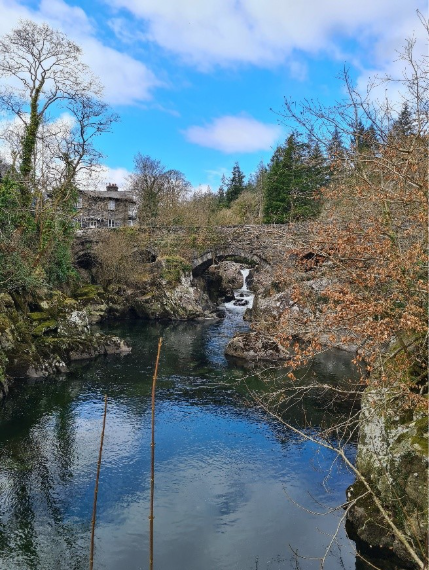
Few houses place you closer to the heart of Betws y Coed than Bryn Afon.
Perched above the River Llugwy beside the iconic Pont-y-Pair bridge, the handsome Victorian house feels woven into the village itself. From its riverside terraces, you can watch the white water rushing beneath the bridge before setting off on foot, leaving the car exactly where it is for the duration of your stay.
Inside, period character meets generous spaces designed for gathering together after a day outdoors. The sash windows frame the river beautifully, while cosy sitting rooms and spacious dining areas make it easy to relive the day’s discoveries over supper. For larger family walking holidays or weekends away with friends, it couldn’t be better positioned.
Gwydyr Forest & Llyn Geirionydd Circular
16.9km | Around 5 hours
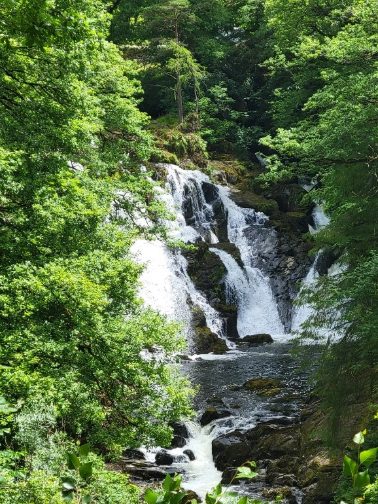
For those wanting to immerse themselves in the landscape, this is the walk to choose.
Leaving Betws y Coed, the route follows the River Llugwy towards the famous Swallow Falls before gradually climbing into the vast expanse of Gwydyr Forest.
This is a place shaped not only by nature, but by centuries of industry. Hidden among the trees are the remains of old lead mines, weathered stone buildings and forgotten workings that hint at the lives once lived here. Moss creeps over abandoned walls, streams weave through old workings, and nature continues its reclaiming of the landscape.
Beyond the forest, Llyn Geirionydd appears almost unexpectedly. Surrounded by hills and woodland, it feels wonderfully remote despite being only a short distance from the village.
September transforms this route. Bracken begins turning bronze, the first autumn leaves scatter across the paths, and shafts of lower sunlight reach deeper into the woodland. Even the familiar sections seem to take on a softer character as the season quietly changes.
Stay nearby: Plas Madoc Coach House
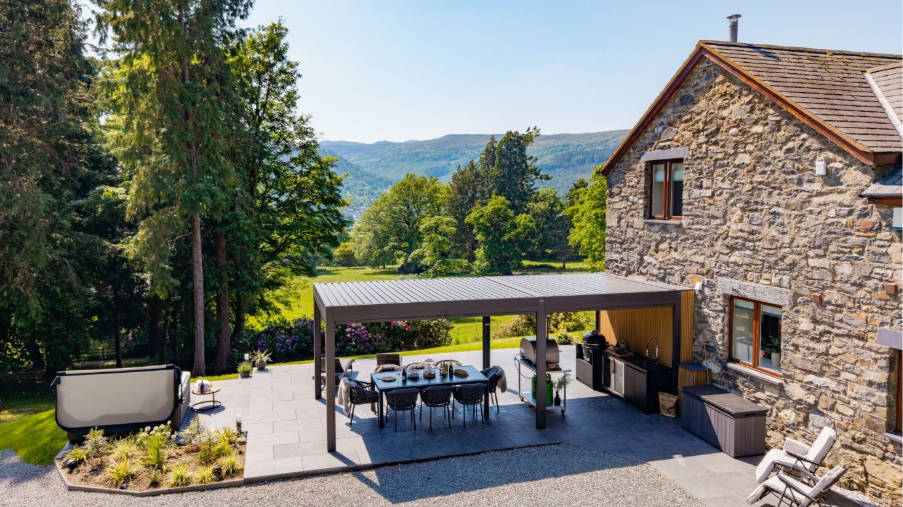
Just outside Betws y Coed, overlooking the Conwy Valley, Plas Madoc Coach House offers a different kind of walking retreat.
Surrounded by woodland shaped over generations, the estate feels wonderfully peaceful before you’ve even ventured onto a trail. Historic pathways wind through mature trees, while sweeping lawns and carefully restored gardens invite slower exploration closer to home.
After a full day in Gwydyr Forest, returning here feels wonderfully restorative. Fire up the Big Green Egg barbecue, soak in the hot tub as evening settles across the valley, or simply sit beneath the pergola listening to birdsong replacing the footsteps of the day.
Swallow Falls
8.7km | Around 2.5–3 hours
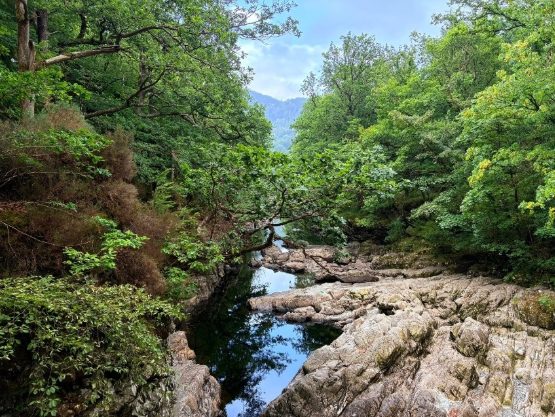
Some places never lose their ability to impress, no matter how many times you’ve visited. Swallow Falls is one of them.
Known in Welsh as Rhaeadr Ewynnol, or “the foaming waterfall”, this is the highest continuous waterfall in Wales. The River Llugwy crashes through a narrow rocky gorge in a series of powerful cascades, sending spray high into the surrounding woodland. In summer it is one of Eryri’s most visited sights, but September offers a different experience altogether.
The walk from Betws y Coed follows the river upstream, where moss-covered boulders, ancient trees and the constant rush of water make the journey every bit as rewarding as the destination itself.
Arrive early and you’ll often find the paths peaceful. The roar of the water replaces the chatter of summer crowds, allowing you to linger a little longer before wandering back through the forest towards the village.
Stay nearby: Helfa
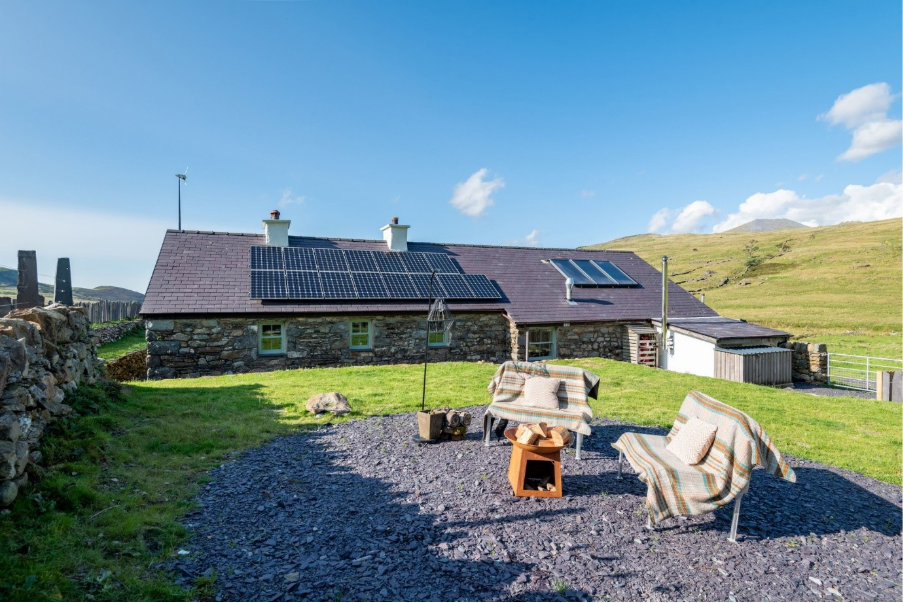
If Bryn Afon places you at the heart of the village and Plas Madoc surrounds you with woodland, Helfa offers something altogether wilder.
Hidden high in the mountains above Llanberis, this remarkable off-grid retreat is reached by Land Rover, following a mountain track beneath the famous Snowdon Mountain Railway before crossing open moorland to a valley that feels almost untouched by modern life.
There are no neighbours, no traffic and very little to interrupt the silence beyond birdsong, distant sheep and the changing weather sweeping across the mountains. Electricity comes from solar power, water flows from a mountain spring, and evenings naturally gather around the wood-burning stove after long days outdoors.
Yet one of the pleasures of staying at Helfa is knowing that civilisation is never too far away.
After days exploring mountain trails or enjoying complete seclusion, Betws y Coed makes the perfect place to return to for a leisurely afternoon. Wander independent outdoor shops, browse galleries, stop for coffee beside the river or stock up on local cheeses, Welsh produce and freshly baked treats before heading back into the mountains.
It creates a wonderful rhythm to a September escape: wild landscapes balanced by welcoming village life, quiet evenings followed by bustling cafés, and complete solitude softened by the knowledge that one of North Wales’ most beautiful villages is waiting just down the road.
Where Walking Meets Wellbeing
There is something about September that changes the way we move through the landscape.
In Betws y Coed, every trail seems to offer something different. Woodland lakes that mirror the mountains. Forests layered with centuries of history. Waterfalls carrying the first rains of autumn. Villages where walking boots are as common as café tables.
And at the end of each day, there is the quiet comfort of returning somewhere that feels every bit as restorative as the landscape you’ve spent the day exploring.